Academic Copyeditor, Dr Krijnen, shares her Recite experience

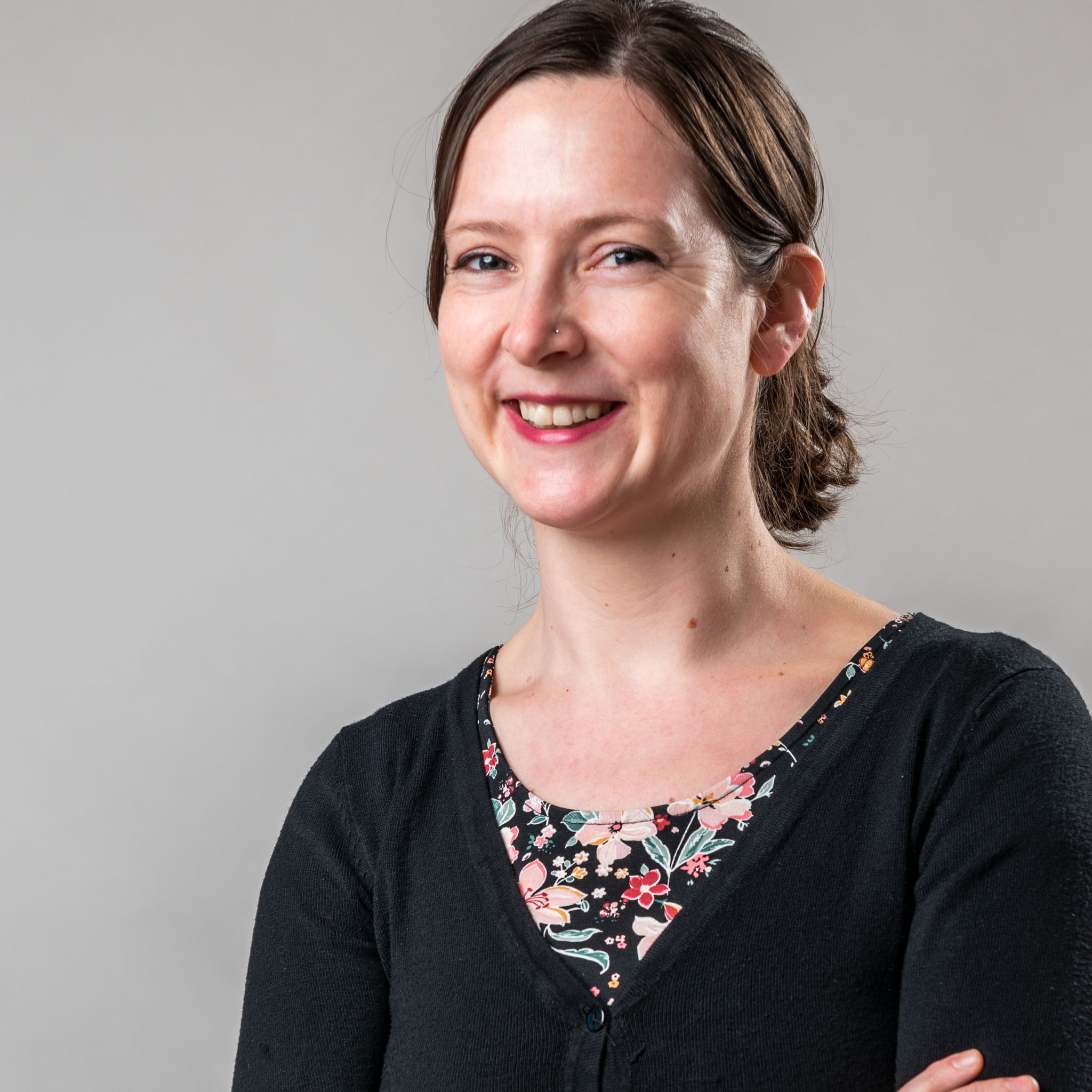 Meet Dr Marieke Krijnen, PhD – a meticulous academic copyeditor based in Poland, offering editorial services to scholars around the world. She specialises in polishing journal articles, dissertations and book manuscripts for PhD candidates, post-docs, professors and academic institutions to help turn complex manuscripts into clear, publication-ready work.
Since leaving academia almost 10 years ago, Marieke has built a thriving freelance editing career and has become a member of several professional associations (including the CIEP and ACES), regularly speaking at editing conferences. She’s known not only for her transparent and methodical approach but also for championing smart tools that save time, like Recite.
We were excited to speak with Marieke to hear how she uses Recite in her workflow, what advice she has for fellow editors and why reference checking doesn’t have to be a dreaded task.
“It’s a no-brainer because it saves me SO much time when checking references.”
You’ve described Recite as a huge time-saver. What makes it so helpful for you?
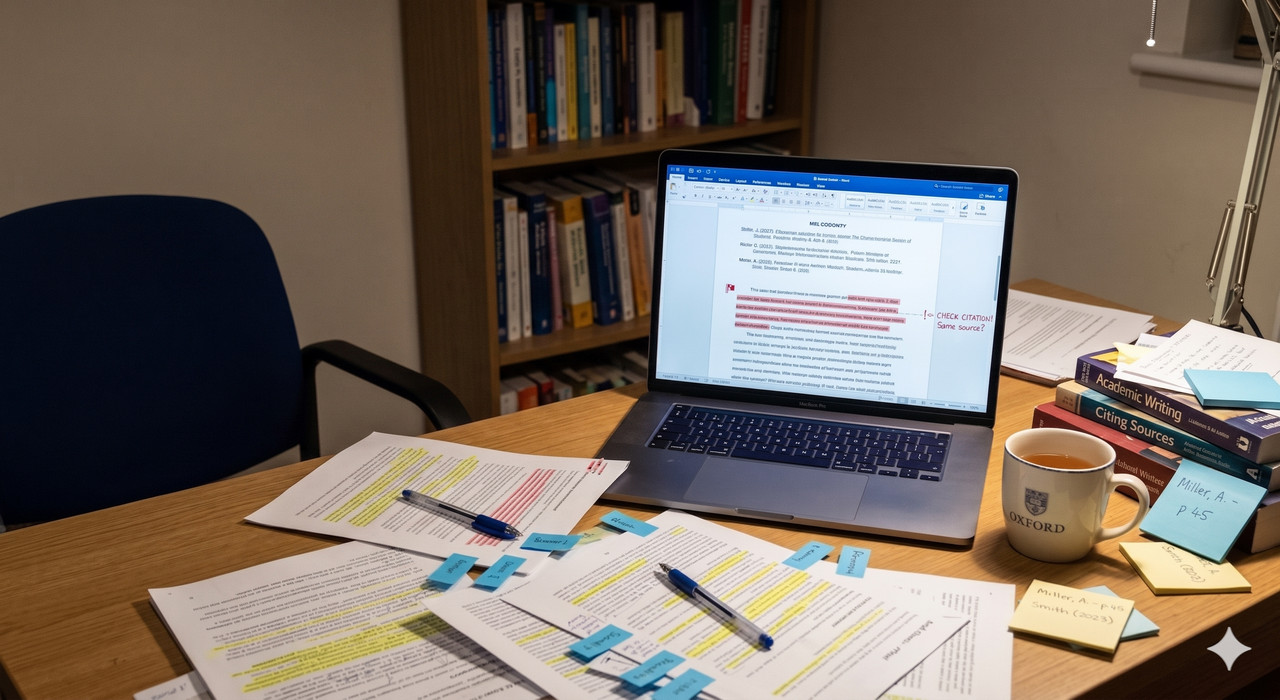
Recite honestly saves me a ton of time. It’s just incredibly efficient. As an academic copyeditor working mostly on dissertations, journal articles and monographs, I always need to check that in-text citations appear in the reference list and vice versa. Doing that manually would take ages. Recite gives me a clear, handy screen listing everything at once, which streamlines a huge part of my process. It’s a no-brainer because it saves me SO much time when checking references.
How does Recite fit into your editing workflow?
I usually run it after I’ve finished editing a text. If the document uses APA style, I’ll set Recite to that, as it helps catch small, style-specific mistakes too. My process is to first save a copy of the document I’m working on, accept all tracked changes and delete any comments. I then upload that clean copy to Recite, while keeping the original open to cross-check and make corrections as I go through the Recite list. If it’s not in APA style (and is a variation of Harvard), I make sure to double-check anything flagged as missing, as sometimes Recite may not match everything correctly in those cases.
Tell us a bit about your journey into academia. How did it begin?
I got into academia after completing my MA at the American University of Beirut. My supervisor saw PhD potential in my research and encouraged me to apply. I was accepted into several programmes and chose Ghent University, where I completed my PhD in 2016. After that, I did a one-year postdoc back in Beirut. I decided to leave academia shortly afterwards and started editing to tide me over, but I found that I really enjoyed it. I went on to get professional training, joined editing associations, got involved in online communities, attended editing conferences and haven’t looked back since.
What advice would you give to someone interested in becoming an editor?
First, take an editing course to see if it’s something you actually enjoy doing. That’s really important. I also highly recommend joining a professional association like ACES, the EFA or the CIEP. The editing community is full of supportive, knowledgeable people, and those groups are a great way to grow and get established.
“Most people had no idea a tool like that even existed. They were excited to learn about it…”
You’ve introduced a lot of editors to Recite. How do you usually present it?
I’ve been telling all the editors I know about Recite! I’ve even included it in presentations at editing conferences. I walk people through how it works using detailed screenshots and explain just how much time it saves. People are usually very impressed.
What’s the most common issue you run into when editing academic papers?
The main issue I see is that when authors revise their papers, they often add and remove references and citations but forget to update the reference list. That’s by far the most common thing I catch.
And is there anything particularly frustrating that Recite helps with?
Honestly not much really annoys me, but formatting unusual sources like UN or government documents can be tricky. I usually have to look up how to cite them properly and that definitely takes extra time. Recite helps by flagging those, so I don’t miss them.
You mentioned presenting Recite at conferences. What was that like?
Presenting Recite at conferences was really fun. Most people had no idea a tool like that even existed. They were excited to learn about it, especially when they realised it does more than just check for missing references.
“…I actually made them feel better about their work. That kind of feedback means a lot to me.”
What do you find most fulfilling about your editing work?
There are three things I really love. One is making my clients happy, which always feels great. Another is the editing work itself. I especially enjoy untangling complicated sentences and finding just the right way to rephrase them or break them up. That kind of problem-solving is really satisfying. And of course, there’s my colleagues. Freelance editors are such a close-knit group, and many have become good friends.
Has any client feedback really stuck with you?
There isn’t one specific comment that comes to mind, but a few times clients have told me they were nervous about hiring an editor. They were worried I might ruin their voice or leave harsh comments. Afterwards, they said they were relieved to find I hadn’t done any of those things, and that I actually made them feel better about their work. That kind of feedback means a lot to me.
And just for fun — if you could edit any famous book or paper, what would it be?
Oh wow, that’s a great question… I’d have to say Marx’s ‘Capital,’ that would’ve been an amazing one!
Ready to make academic reference and citation checking easier with Recite? Try it for yourself here.
To learn more about Dr Krijnen and her services, please visit her website at www.mariekekrijnen.com.