Why Turnitin Isn’t Enough: The Case for Reference Verification
A Low Similarity Score Is Not a Green Light: What Turnitin Can’t Tell You About Your References
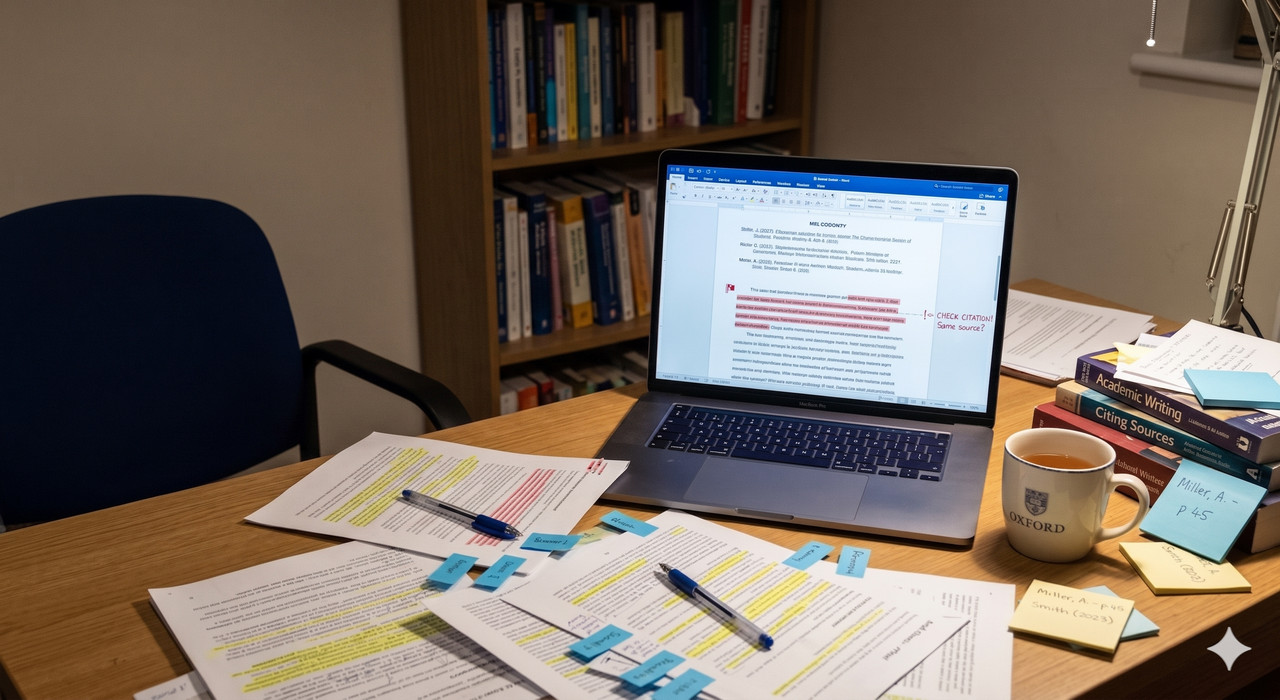
For many students and plenty of academic staff, a low Turnitin score has become the unofficial final check before submission. If the percentage is reassuring, the work must be fine. This assumption is understandable, but it can be incomplete – costing students marks they should not be losing.
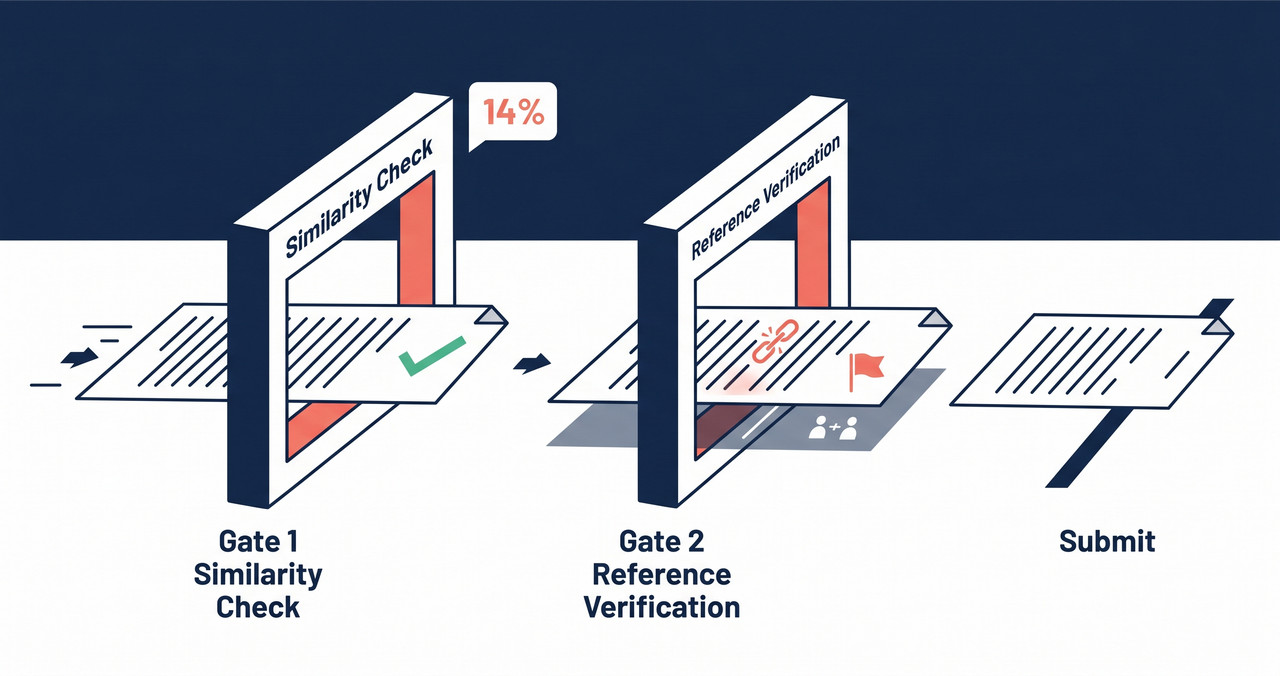
Similarity checking and reference verification are two different things. Understanding the gap between them is one of the most practical steps any student or writing support team can take before a piece of work goes in.
And while we focus on Turnitin here, the same principles apply whether your institution uses SafeAssign, Grammarly, or any other similarity checker.
What Turnitin Actually Does (and Doesn’t Do)
Turnitin is very useful. Its Similarity Report flags overlapping text, highlights close paraphrasing, and prompts students to think carefully about how they have used source material. Used well, it supports academic integrity and helps students reflect on their writing before submission.
But Turnitin itself is explicit about its limits. The tool compares your submission against its database and highlights matching text. It does not, however, determine if plagiarism has occurred, nor does it assess if your referencing is accurate or complete. A similarity score is a percentage, not a verdict.
It is also worth knowing that a high similarity score does not automatically mean something has gone wrong. Properly cited quotations, standard academic phrasing, reference lists, and previous submissions can all push the percentage up without a student having done anything dishonest. The score requires interpretation, not panic. And the same is true in reverse – a low score does not confirm that the scholarly record in your document is sound.
A paper can return a perfectly reassuring similarity score and still contain:
- Citations in the body of the text with no matching entry in the reference list.
- Reference list entries that were never cited anywhere in the document.
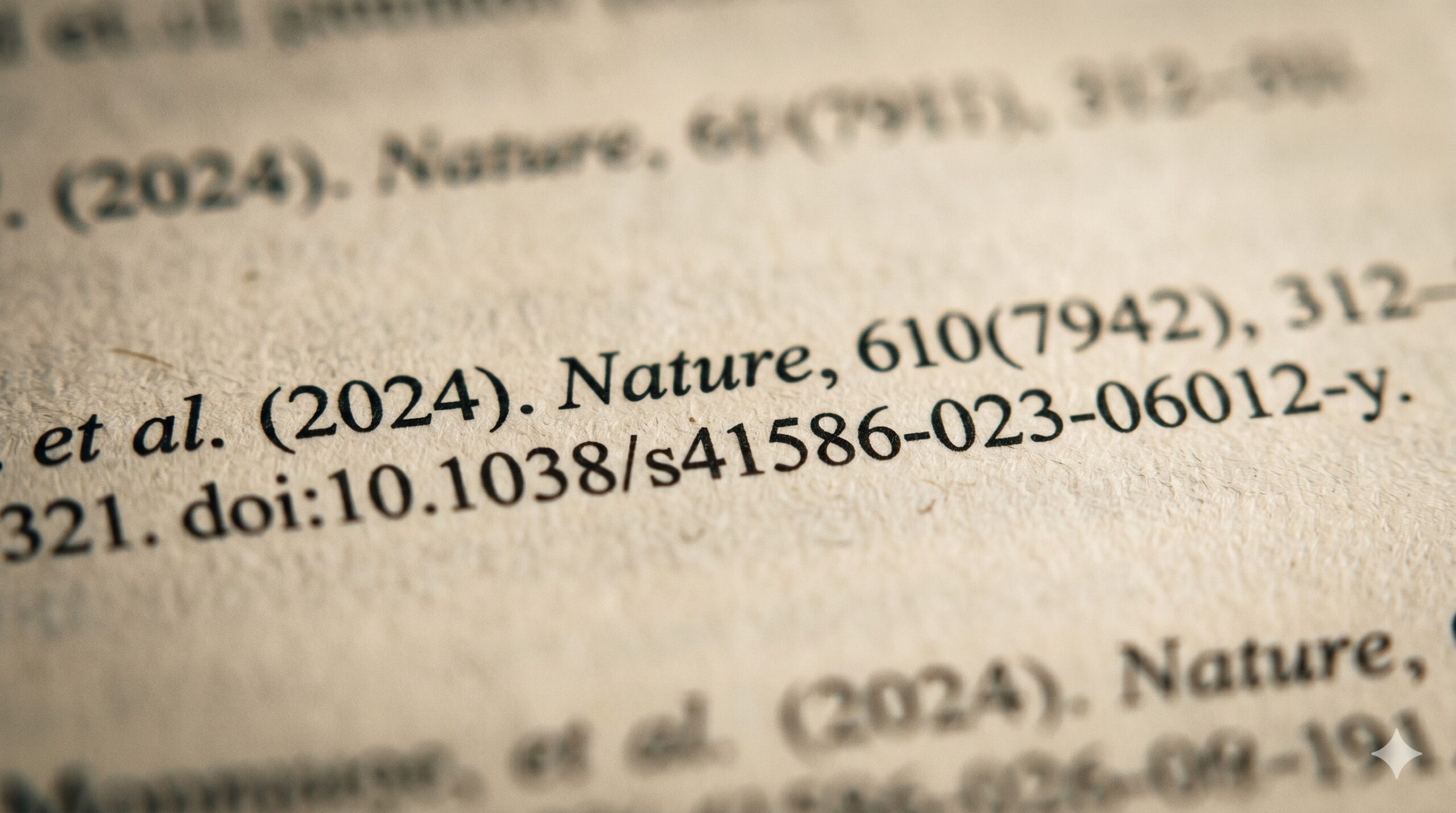
- Broken DOIs or URLs that lead nowhere.
- Incomplete source metadata imported from a reference manager.
- Inconsistent formatting across references with mixed styles, missing page numbers, incorrect author formatting.
The wording may look entirely original. The academic trail underneath it may be full of holes.
The Scale of the Problem
Research consistently shows that citation errors are widespread even in formally reviewed work. Studies have found that as many as 54% of references in academic papers contain errors – and that is in published research that has passed editorial scrutiny. For students working to a deadline, the risk is high and the consequences are real.
One review of 131 manuscripts detected an average of more than twelve reference list errors per paper, with journal and periodical citation errors being the most common type. These are not rogue cases. They reflect the normal reality of academic writing. Sources get added late, paragraphs get cut, reference managers export incomplete metadata, and errors slip through.
The most common culprits – in-text citations that do not match the reference list, missing publication years, incomplete bibliographic information, and inconsistent formatting – are precisely the kind of issues that a similarity tool is not designed to catch.
Why Students Feel Confused, and Why That Is Understandable
When students receive feedback about referencing problems after a low similarity score, it can feel contradictory. They ran the check. The percentage was fine. How can there still be referencing issues?
The answer is that two separate aspects of academic writing are being assessed.
A similarity tool asks, ‘does your text overlap with other material in a way that needs attention?’
Reference verification asks, ‘are your citations and reference list entries complete, consistent, and properly connected to each other?‘
These are related concerns, but they are not the same question, and no single tool answers both. A document can pass one test and fail the other entirely.
This confusion is not a student failure. It is a communication gap, and one that writing centres and academic support teams are well placed to close.
The Final-Stage Problem
Reference errors are especially likely to accumulate in the final stages of drafting, when the document is most in flux, and attention is most stretched.
A paragraph gets cut, but its reference stays in the list. A new source is added in-text at midnight, but the full reference never gets added. A reference manager exports a record with a missing volume number or a malformed DOI. These are normal writing problems. They happen to careful writers under time pressure, not just careless ones.
That is exactly when a targeted reference check adds the most value, not as a replacement for similarity checking, but as a separate layer of assurance focused specifically on the integrity of the source trail rather than the originality of the wording.
Where Recite Fits
This is the gap Recite is built to address.
Recite is not a plagiarism tool and does not try to be. It focuses on the part of the process that similarity software is not designed to handle – checking the citations in your document match the entries in your reference list, helping to check source details are complete and consistent, and verifying DOIs resolve correctly.
See how Recite can help perfect your references →
That means catching citation-reference mismatches, orphaned reference list entries, incomplete metadata, broken links, and style inconsistencies. It works at the point in the process where these problems are most likely to appear and are also most likely to be missed.
For students, that shifts the pre-submission question from “Does this look original?” to “Can every source in this document be followed clearly from citation to reference list, and does the trail hold up?”
For writing centres and academic support teams, it offers a practical way to help students build stronger habits around attribution and source accuracy, and not just around avoiding copied text.
Two Different Questions. Both Worth Asking.
Similarity checking and reference verification are complementary, not interchangeable. One tells you something about your wording. The other tells you whether the scholarly record you are presenting is complete and trustworthy.
A low similarity score is a useful data point. It is not the whole picture. If you want genuine confidence in your work before it goes in, it helps to ask both questions, not just one.