The dissertation/thesis submission survival guide

By the time you reach the final submission stage, most of the hard work is already done. Your research is complete, your writing is finished, and you’re probably more than ready to hand it in and celebrate. But this is exactly the point where small mistakes can create unnecessary stress – and the worst feeling is spotting something obvious just after you’ve hit submit.
Most of this is second nature to academic editors and proofreaders, but to students it’s not. If you can afford to hire an editor to review your document, their input is invaluable, but for citation and reference checking, most of them use Recite too 😉
That’s why a final review matters. Whether you’re trying to work out how to check your essay before submission, or you’re doing a full dissertation or thesis review, the aim is the same – protect the quality of the work you’ve already done, and avoid losing marks over the simple things.
Why a final submission check can matter more than students think
When students think about marks, they usually think about argument, analysis, evidence, and structure. All of that matters, of course, but at the submission stage, the risk often shifts. A rushed upload, inconsistent references, broken formatting, or a typo in the wrong place can make a stronger negative impression than it should.
A final review doesn’t need to be dramatic or time-consuming. It just needs to be focused. Think of it less as “one more task” and more as the step that protects everything you’ve already worked on.
Your final dissertation checklist before submission
If you only have time for one last pass, this is a good submission checklist to work through to catch common errors.
1. Check your dissertation formatting
Before you submit, look at the relevant style guide (be that APA, Harvard, CMOS or a different style) and review the basics of your dissertation formatting carefully:
- Are your headings consistent throughout?
- Are margins, line spacing, and font choices aligned with university guidelines?
- Are page numbers correct from beginning to end?
- Does the table of contents still match your final section titles and page numbers?
- Have section breaks created any odd spacing or blank pages?
A lot of dissertation submission mistakes happen here because formatting can shift during final edits, especially if you’ve moved sections around late in the process.
2. Review your references and citations
This is one of the most important parts of any final dissertation checklist or thesis submission checklist. Check that:
- Every in-text citation appears in your reference list
- Every reference is actually cited in the document
- Author names and publication years are consistent with the style guide
- Duplicate references have been removed
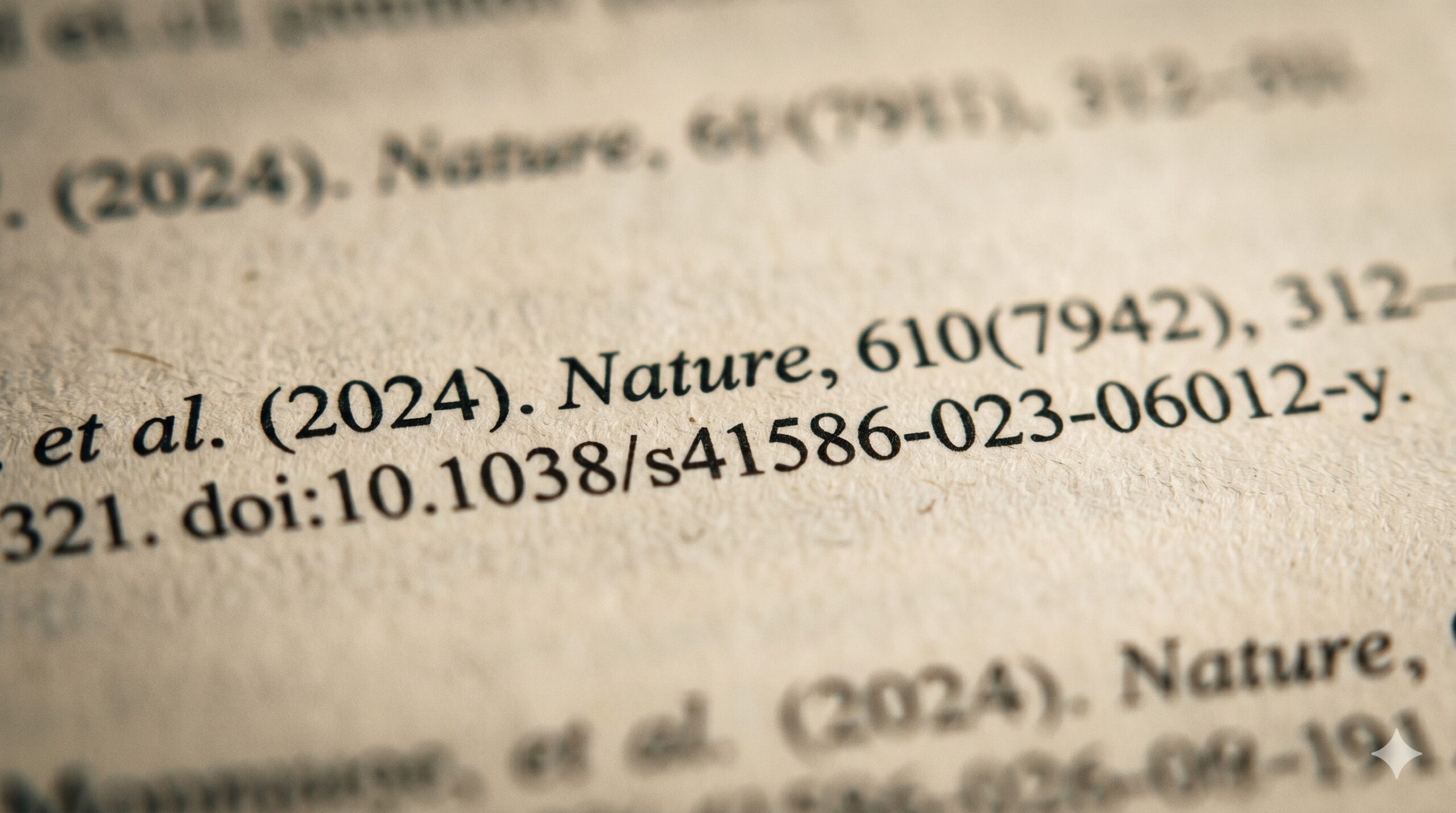
- Links, DOIs, and source details are complete
- Formatting is consistent across the full reference list, and they’re in the correct order (again, have your style guide handy here, as the required format for citations and references can differ considerably between different reference styles.)
Students often leave the dissertation reference check until the very end, and it’s one of the easiest places for errors to creep in. The good news is, Recite can help!
3. Proofread for simple essay mistakes
If you’re wondering how to avoid simple essay mistakes, this is where to focus. Look for:
- Typos in headings or subheadings
- Repeated words
- Inconsistent capitalisation
- Awkward sentence breaks
- Missing punctuation
- Errors in figure/table captions
- Small grammar slips introduced during final edits
These are exactly the kinds of issues that are easy to miss when you’re tired and too familiar with the document.
4. Check tables, figures, appendices, and labels
Make sure:
- Figures and tables are numbered correctly
- Captions are clear and consistent
- Every appendix is referred to properly in the main text
- Appendices appear in the correct order
- Charts, screenshots, or visual elements still display correctly in the final file
5. Confirm the submission requirements
Finally, before you hit submit check:
- Correct file type
- Correct file name
- Correct version uploaded
- Word count declaration included (if required)
- Coversheet or declaration included
- Any separate appendices uploaded properly
Once submitted, ensure the submission portal confirms the upload has completed. Check your email, if the portal suggests you should receive a receipt of submission.
This sounds obvious, but some of the most frustrating mistakes are not academic at all – they’re submission errors.
The reference checks some students leave too late
If there is one final step students underestimate, it’s the reference review. And that’s what we want to come back to, as this is where Recite excels.
By submission stage, most people assume the references are “probably fine” because they’ve been building them over time. Unfortunately, this is how problems get missed. A few rushed additions, a last-minute source swap, or a copied reference in the wrong format can create inconsistencies across the entire list.
A reliable dissertation reference check must ensure:
- Alphabetisation is correct in the reference list
- You’ve adhered to your university’s guidelines on recent sources in your reference list (many institutions specify a certain percentage within the last 5/10 years)
- All in-text citations appear in the reference list
- All reference list entries are cited in the main text
- Author spellings match throughout
- Publication years are accurate and consistent with the style guide
- Duplicate entries are removed
- Journal titles, volume/issue details, and source information are complete
- You’ve not included entries in your list that shouldn’t be there – personal communications, for example, are generally not included
- Links and DOIs still work where relevant
- All references have been actively verified for retractions or errata, with citations updated or removed as necessary
- Formatting is consistent from first entry to last
This is where a tool like Recite can be especially helpful. Manual checks are important, but they become harder when you’re tired, working against a deadline, and staring at the same document for the tenth (or 100th!) time.
A final reference review is not just about neatness; it’s about accuracy, credibility, and making sure the scholarly detail is as strong as the argument itself. None of these is especially dramatic and that’s the point.
They’re simple. They’re avoidable. And they’re exactly the kinds of things students can miss when they’re tired and eager to be done. Fortunately, Recite provides an extra pair of eyes here, simplifying each of the steps above and pointing out many of those little mistakes, quickly and simply.
Before you submit
Some universities now require an AI declaration with thesis and essay submissions. Recite does not need to be declared, as it is not an AI-based tool – but always check your university’s policy and declare any tools you might have used, where required.
Submit with confidence, not panic!
The last stage of submission can feel more stressful than it should. By that point, you’re usually tired of the document, short on time, and very ready to stop looking at it. That’s exactly why a final review helps. If you’re trying to work out how to check your essay before submission, the answer is usually simpler than it feels: focus on formatting, references, proofreading, the final file, and the submission requirements. You don’t need to rewrite everything – you just need to protect the quality of what’s already there.